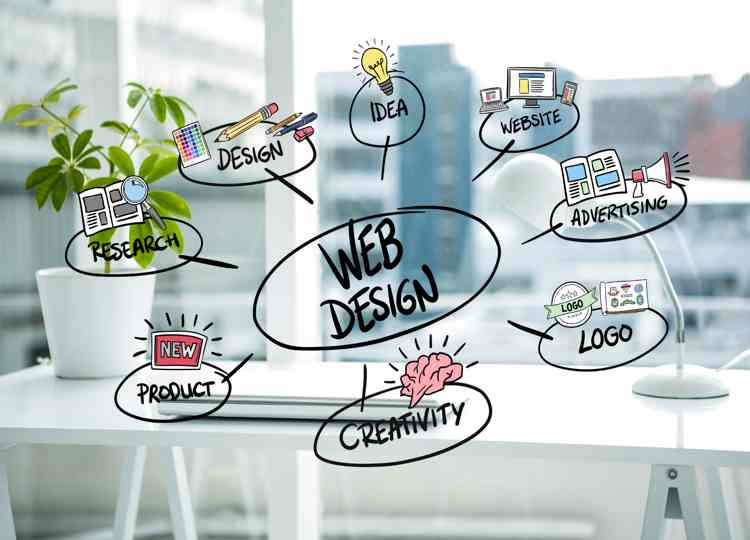
Web design is the process of planning and creating the visual layout of a website. It focuses on the appearance, structure, and user experience of a website to make it attractive and easy to use. In today’s digital world, a well-designed website plays an important role in attracting visitors and building a strong online presence.
As businesses continue to grow online, the demand for skilled web designers is increasing rapidly. Therefore, learning web design can help you build a successful career in the digital industry.
What is Web Design?
Web design refers to the process of designing the layout, colors, typography, and overall visual style of a website. It ensures that the website looks professional and provides a smooth experience for users.
Unlike web development, which focuses on coding and functionality, web design mainly focuses on the visual and creative aspects of a website.
Key Elements of Effective Web Design
A successful website design includes several important elements that improve usability and appearance.
Some essential elements of web design include:
-
Layout and Structure – Organizing content clearly on the page
-
Color Scheme – Choosing colors that match the brand identity
-
Typography – Selecting readable and attractive fonts
-
Images and Graphics – Using visuals to improve user engagement
-
Navigation – Making it easy for users to move between pages
When these elements work together, they create a professional and user-friendly website.
Popular Tools Used in Web Design
Web designers use various tools and software to create attractive website designs.
Some commonly used web design tools include:
-
Adobe Photoshop for graphic design and image editing
-
Figma for UI/UX design and prototyping
-
Adobe XD for website and app interface design
-
Canva for quick design creation
-
Sketch for professional interface design
These tools help designers plan and visualize website layouts before development begins.
Benefits of Learning Web Design
Learning web design provides many benefits for students and professionals.
First, it allows you to combine creativity with technology. Second, web designers are in high demand in industries such as digital marketing, e-commerce, and software development.
Additionally, many web designers work as freelancers and create websites for clients worldwide.
Career Opportunities in Web Design
After learning web design, you can explore several career opportunities in the digital field.
Popular career options include:
-
Web Designer
-
UI/UX Designer
-
Front-End Designer
-
Website Layout Designer
-
Freelance Web Designer
With the right skills and portfolio, web designers can work with companies, agencies, or as independent professionals.
How to Start Learning Web Design
Starting a career in web design requires learning both creative and technical skills.
To begin your journey:
-
Learn the basics of HTML and CSS
-
Understand UI/UX design principles
-
Practice designing website layouts
-
Learn responsive design for mobile devices
-
Build a portfolio of your projects
With regular practice and creativity, you can become a successful web designer.
Conclusion
Web design is an essential part of building modern websites and creating engaging online experiences. A well-designed website not only attracts visitors but also improves usability and brand credibility.
If you are interested in creativity and technology, learning web design can be a great career choice. Start practicing today, develop your design skills, and build professional websites that stand out in the digital world.