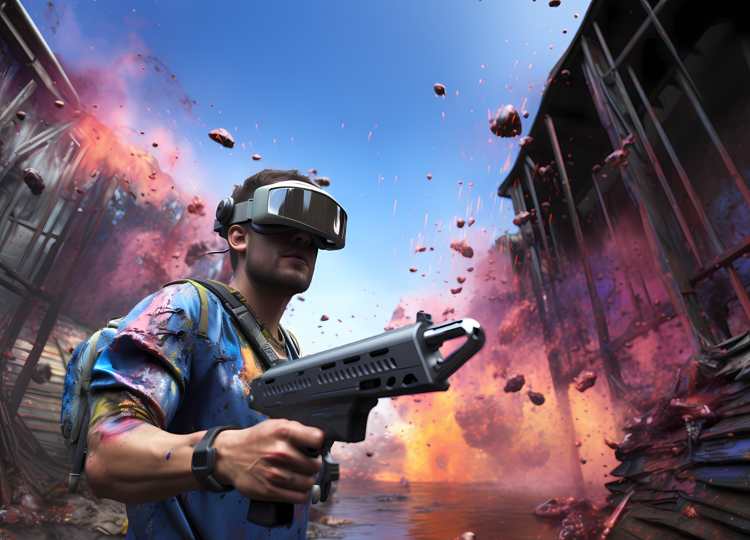
Game design is the creative process of planning and developing the structure, rules, and overall experience of a video game. It combines storytelling, technology, art, and user experience to create interactive entertainment. Today, the gaming industry is growing rapidly, and skilled game designers are in high demand worldwide.
Moreover, learning game design allows you to transform your ideas into playable games for mobile, PC, and consoles.
What is Game Design?
Game design is the process of designing how a game works and how players interact with it. It includes creating game mechanics, levels, characters, rules, and challenges that keep players engaged.
In simple terms, a game designer decides how the game will look, feel, and function. They focus on creating fun and balanced gameplay experiences.
Important Elements of Game Design
Successful games are built using several important design elements.
Key components of game design include:
-
Gameplay mechanics – Rules and actions that players can perform
-
Story and narrative – The storyline that drives the game
-
Level design – Structure and layout of game environments
-
Characters and assets – Visual elements used in the game
-
User experience (UX) – How players interact with the game
When these elements work together smoothly, they create an engaging and enjoyable gaming experience.
Tools and Software Used in Game Design
Game designers use powerful tools to create and develop games.
Some popular game design tools include:
-
Unity – A popular game engine for mobile and PC games
-
Unreal Engine – Used for high-quality 3D games
-
Blender – Used for 3D modeling and animation
-
Adobe Photoshop – Used for game textures and artwork
-
Godot Engine – A beginner-friendly open-source game engine
Learning these tools helps aspiring designers build professional-quality games.
Skills Required to Become a Game Designer
To succeed in the gaming industry, designers need a mix of creative and technical skills.
Important skills include:
-
Creativity and storytelling
-
Problem-solving ability
-
Basic programming knowledge
-
2D and 3D design understanding
-
Team collaboration and communication
With practice and dedication, these skills help designers create innovative and engaging games.
Career Opportunities in Game Design
The gaming industry offers many exciting career opportunities.
Some common career roles include:
-
Game Designer
-
Level Designer
-
Game Developer
-
3D Artist
-
Game Animator
-
UI/UX Designer for games
Additionally, many designers work independently and publish their own games on platforms like mobile app stores or PC gaming platforms.
How to Start Learning Game Design
Starting a career in game design requires learning both creative and technical aspects of game development.
To begin your journey:
-
Learn basic game design principles
-
Practice using game engines like Unity or Unreal
-
Study storytelling and player psychology
-
Create small game projects
-
Build a portfolio of your work
Step by step, these efforts will help you become a skilled game designer.
Conclusion
Game design is an exciting field that combines creativity, technology, and storytelling to create interactive digital experiences. With the gaming industry expanding every year, skilled game designers have many career opportunities in studios, tech companies, and freelance platforms.
If you are passionate about games and creativity, start learning game design today and turn your ideas into amazing interactive worlds.